

Most investigations do not start with a big discovery. They start with something small. In this case, it was a USB drive found in an empty office. What the team found on it was enough to build a full case against a government official who had been misusing public funds for years.
Here is exactly how they did it.
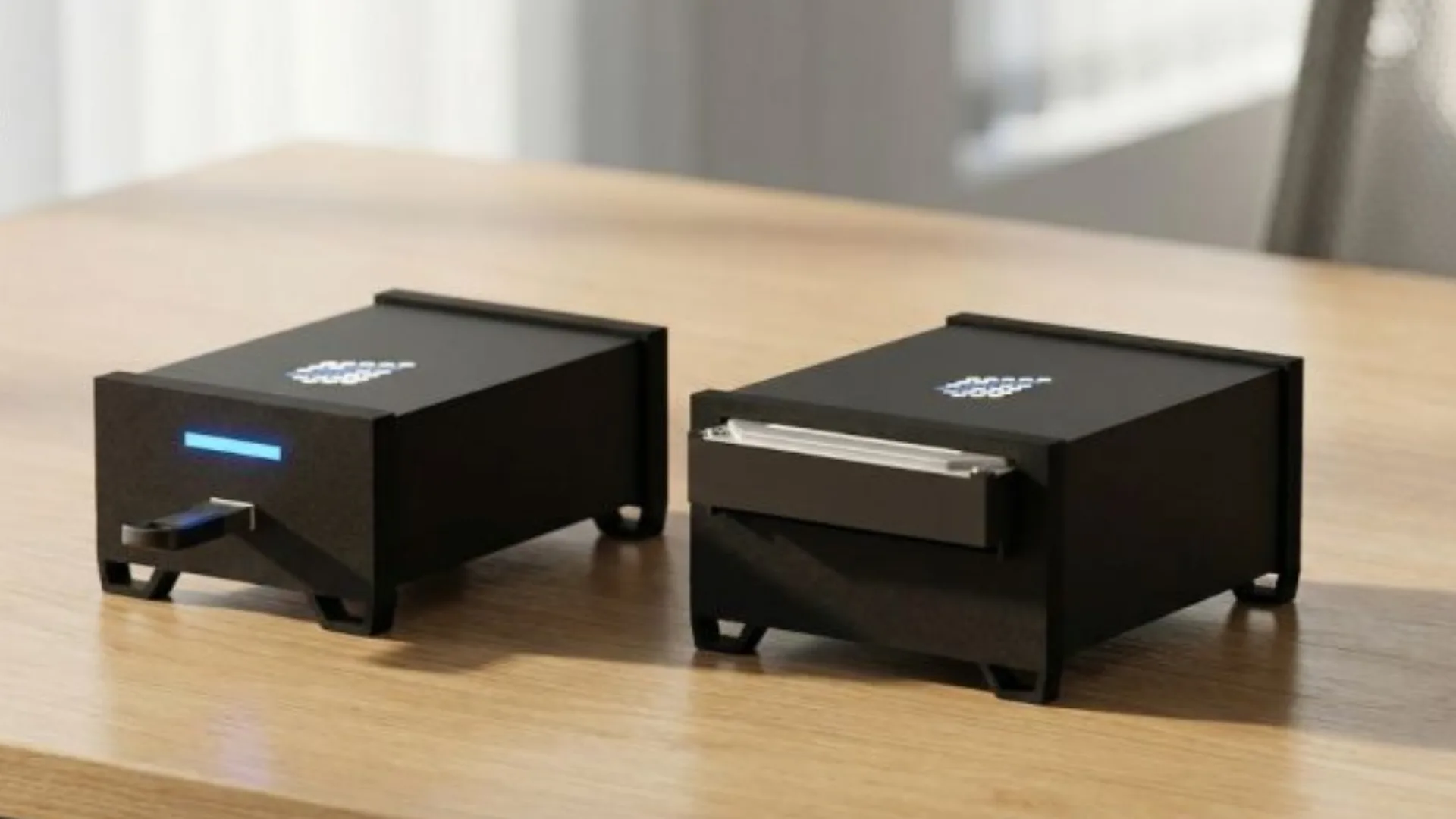
Before the drive was connected to any system, investigators attached it to a hardware write-blocker. This device allows data to be read but stops anything from being written back to the original drive, keeping the evidence exactly as it was found.
Plugging a drive directly into a computer changes it. That change alone can get evidence thrown out of court.
A full copy of the drive was made and verified. The original was sealed. All analysis was done on the copy only.
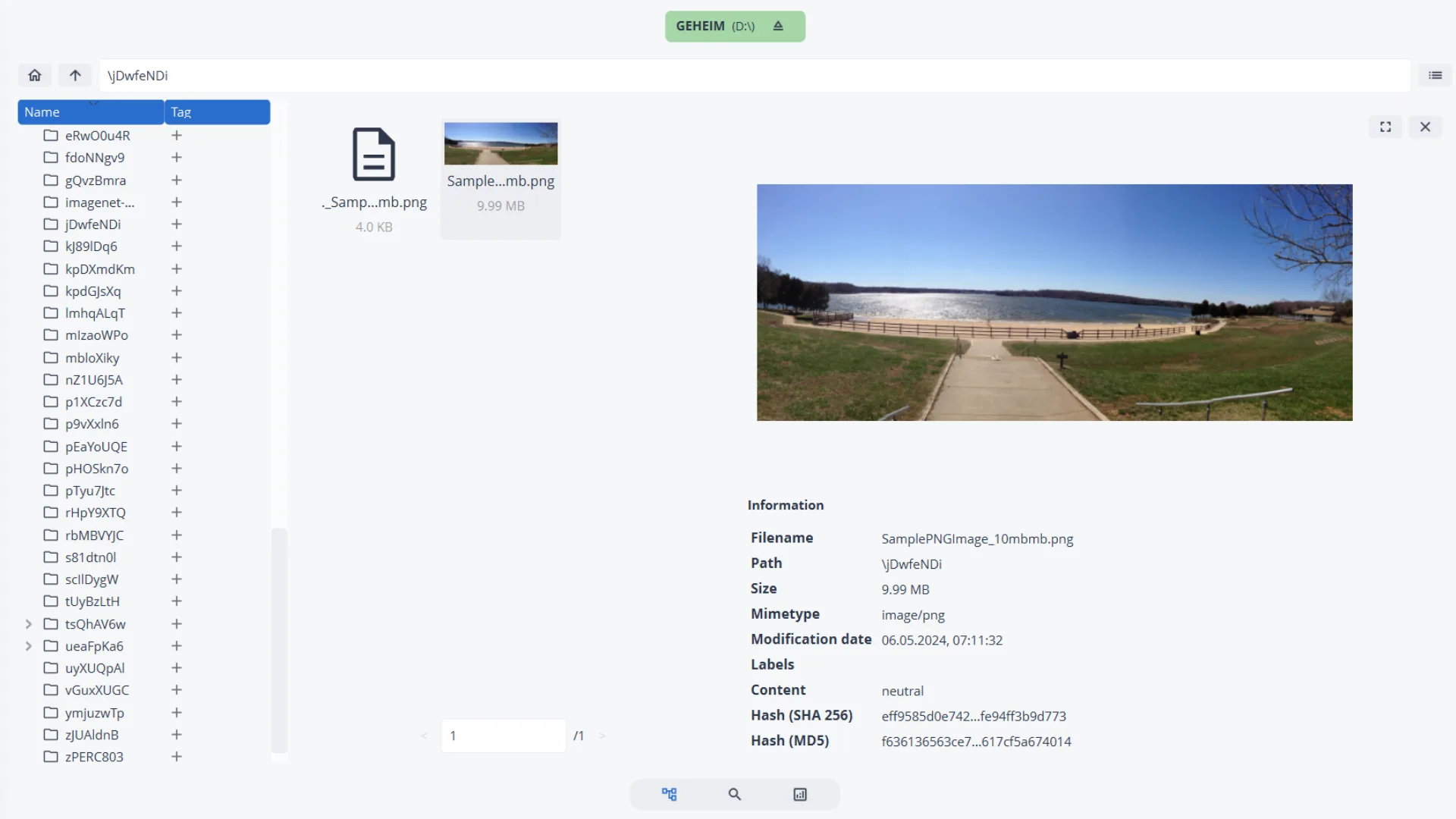
The drive held thousands of files: contracts, invoices, emails. Normal on the surface.
But the metadata behind those files told a very different story. One contract showed it was created months before its official date. Invoice files were linked to a company that did not yet exist when they were supposedly issued. Edit records pointed to a personal device that had never been registered on the government network.
The documents were designed to look clean. Metadata does not lie and it does not forget.
Before leaving, the official had deleted files and emptied the bin. On a normal computer, that would be the end of it. In forensics, it is barely the beginning. Deleted files leave traces until the space they occupied is overwritten by something new. The team recovered the majority of those files intact, including a draft contract that existed weeks before the official tender process had even started.
The forensic team produced a detailed expert report every finding traceable to a specific file, hash, and timestamp. Every attempt to challenge the digital evidence in court failed. The write-blocker logs and chain of custody documentation were airtight.
The official was found guilty. The entire case rested on a device small enough to fit in a jacket pocket.
▸ Always write-block before connecting any device to your system
▸ Generate and verify hash values at every stage of the process
▸ Treat metadata as primary evidence not a footnote
▸ Image the full drive, including unallocated space
▸ Document everything, your chain of custody is your case
Write-blocking, forensic imaging, metadata analysis, and deleted file recovery were handled using the Sinabis Writeblocker and Sinabis Inspector built for law enforcement and public sector teams where the margin for error is zero.
→ Request a demo: sinabis.com